

Most guides on how to choose an acoustic guitar read like the writer has never once been smiled at by a salesperson and walked out poorer and a little dumber. I have. More than once. So instead of a sterile spec sheet, you're getting the real version: the mistakes I made, the late-night tonewood research that finally saved me, and the cheap hack that improved my playing more than any expensive guitar ever did.
If you're a complete beginner, this post is for you especially. It's the advice I wish someone had handed me before I confidently overpaid for a guitar I didn't understand. No gatekeeping, no jargon for the sake of it — just the things that actually matter when you're choosing your first (or next) acoustic.
Solid vs Laminate Wood: My First Expensive Mistake
My first real lesson came from a random guitar store I walked into fully convinced I knew enough to shop smart. I didn't. I left with a guitar the tag swore was a steal, and it took me embarrassingly long to realize the body was laminate wood, not solid.
Here's the nuance most beginners miss: laminate isn't bad. Plenty of solid, dependable beginner guitars use it, and it handles humidity swings better than solid wood does. But laminate doesn't open up and improve with age the way solid tonewood does, and it rarely delivers the resonance you think you're paying premium money for. My mistake wasn't buying laminate — it was paying solid-wood prices for it because I didn't know to ask one simple question.
So ask it: are the top, back, and sides solid or laminate? Then verify it yourself. Look at the edge of the wood inside the soundhole — solid wood shows continuous grain through its full thickness, while laminate shows distinct layers, like plywood. It takes five seconds and can save you a lot of regret.
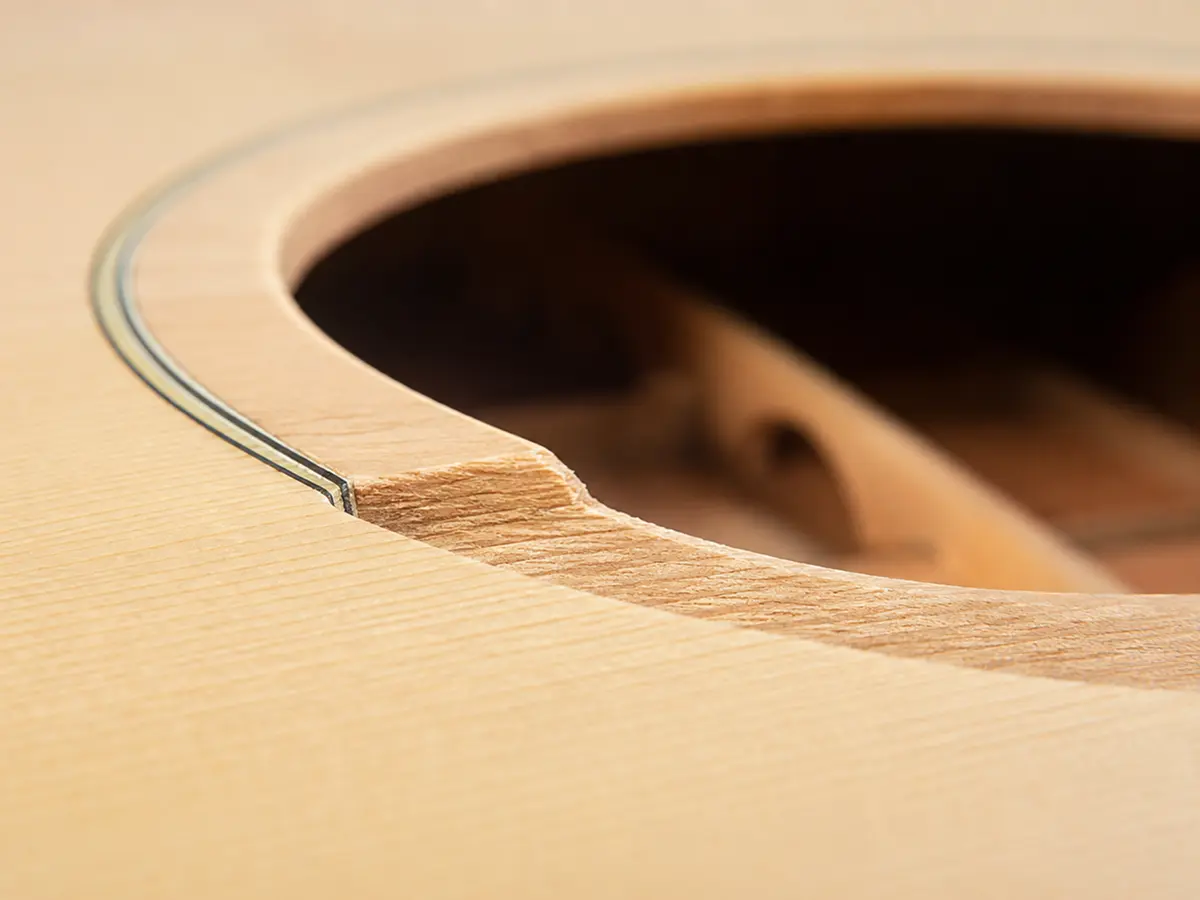 Solid — continuous grain
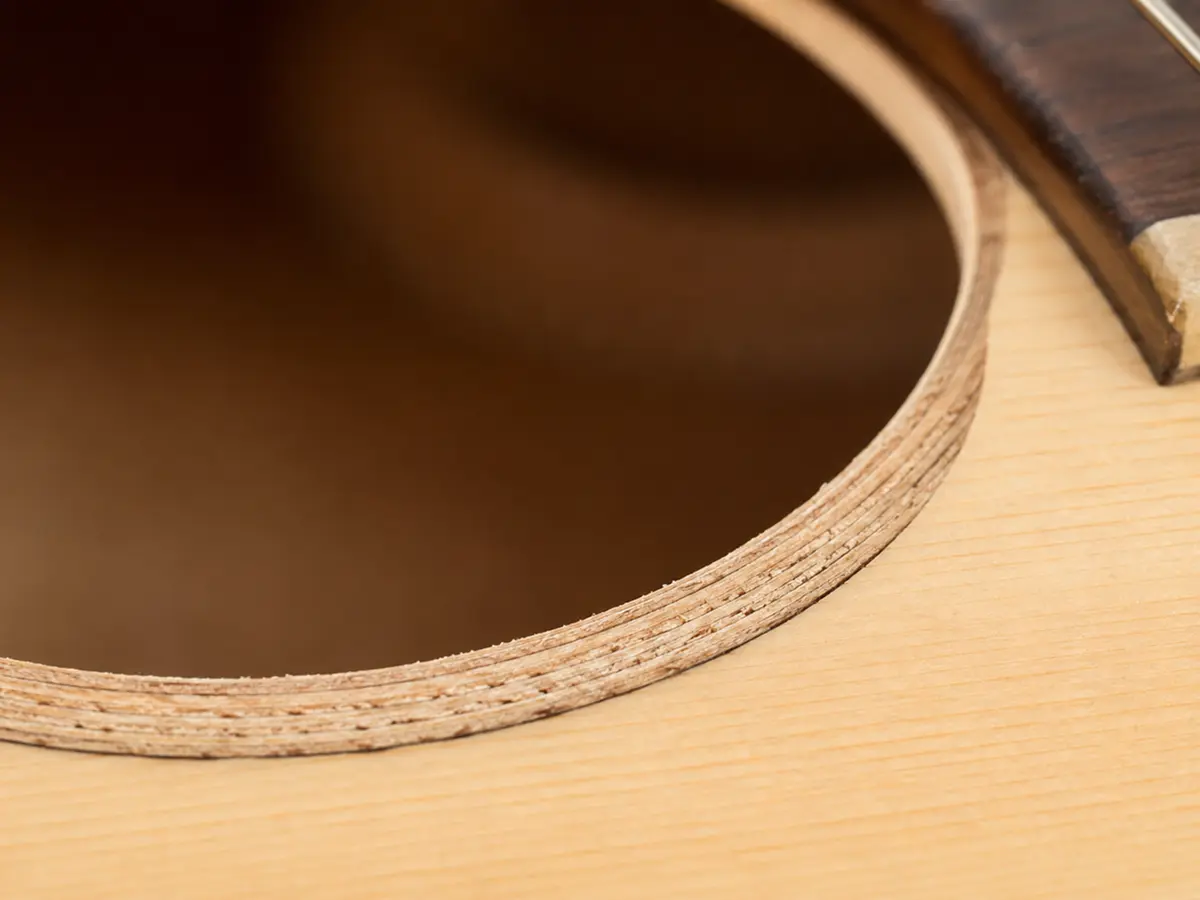 Laminate — visible layers
Recommended starting point
A solid-top beginner acoustic
If your budget allows, a solid spruce or cedar top (with laminate back and sides) gives you the resonance of solid wood without the full-solid price. It is the sweet spot most beginners should aim for.
Acoustic Guitar Tonewood: Mahogany vs Rosewood
After getting burned twice, I finally did what I should have done first — I went home and researched acoustic guitar tonewood before spending another cent.
In the mahogany vs rosewood comparison for back and sides, mahogany gives you a warm, punchy midrange with strong fundamentals. It's a favorite for fingerstyle players and for recording because it sits so cleanly in a mix. Rosewood — the classic back-and-sides choice — is richer and more complex, with deep lows, sparkling highs, and lush overtones that scoop the mids.
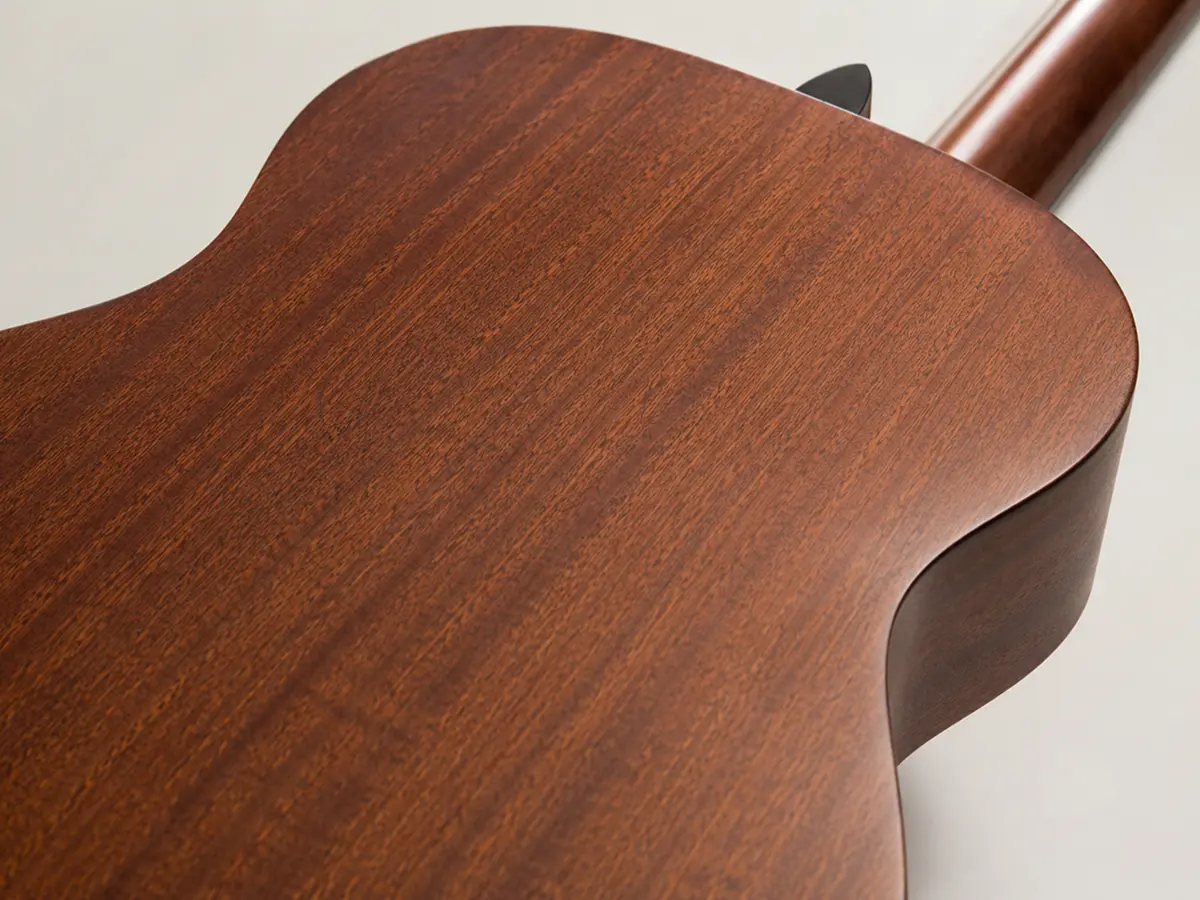 Mahogany
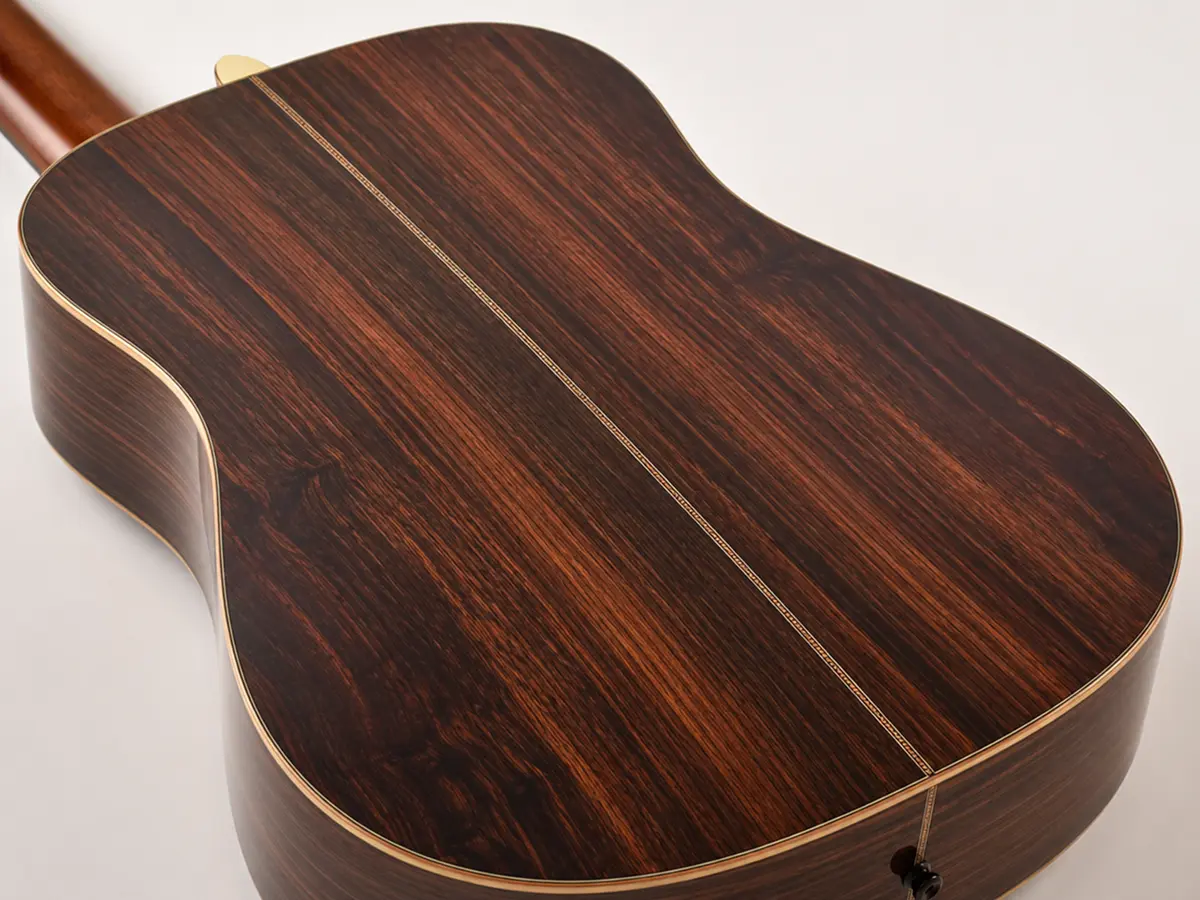 Rosewood
Neither tonewood is objectively better. They're different voices, and the right one depends entirely on how you play. If anyone insists there's one superior tonewood for everyone, they're usually trying to sell you that exact wood.
OM vs Dreadnought vs Cutaway: Choosing a Body Shape
Body shape shapes your sound and your comfort just as much as tonewood does, so it deserves equal attention.
In the OM vs dreadnought debate, the dreadnought is the big, bass-heavy body most people picture when they imagine an acoustic guitar. It projects beautifully and rewards hard strumming. The Orchestra Model (OM) is smaller, more balanced, and far more comfortable for long sessions — it rewards a lighter touch and articulate fingerpicking.
For cutaway vs non-cutaway, a cutaway carves out part of the body so you can reach the upper frets easily, which matters if you play lead lines or higher chord voicings. The trade-off is a slightly smaller body and, to some ears, a touch less low-end resonance. If you spend most of your time in the first twelve frets, you may never miss it.
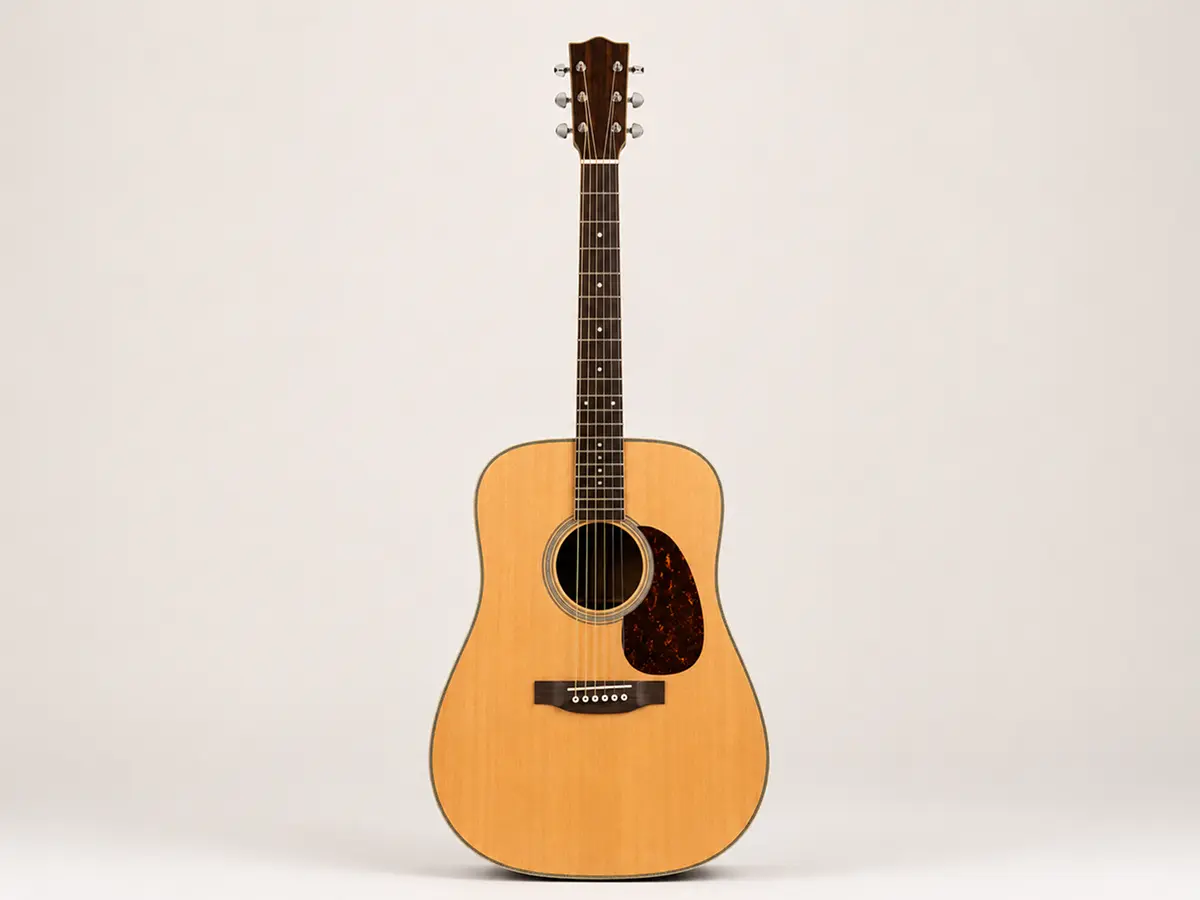 Dreadnought
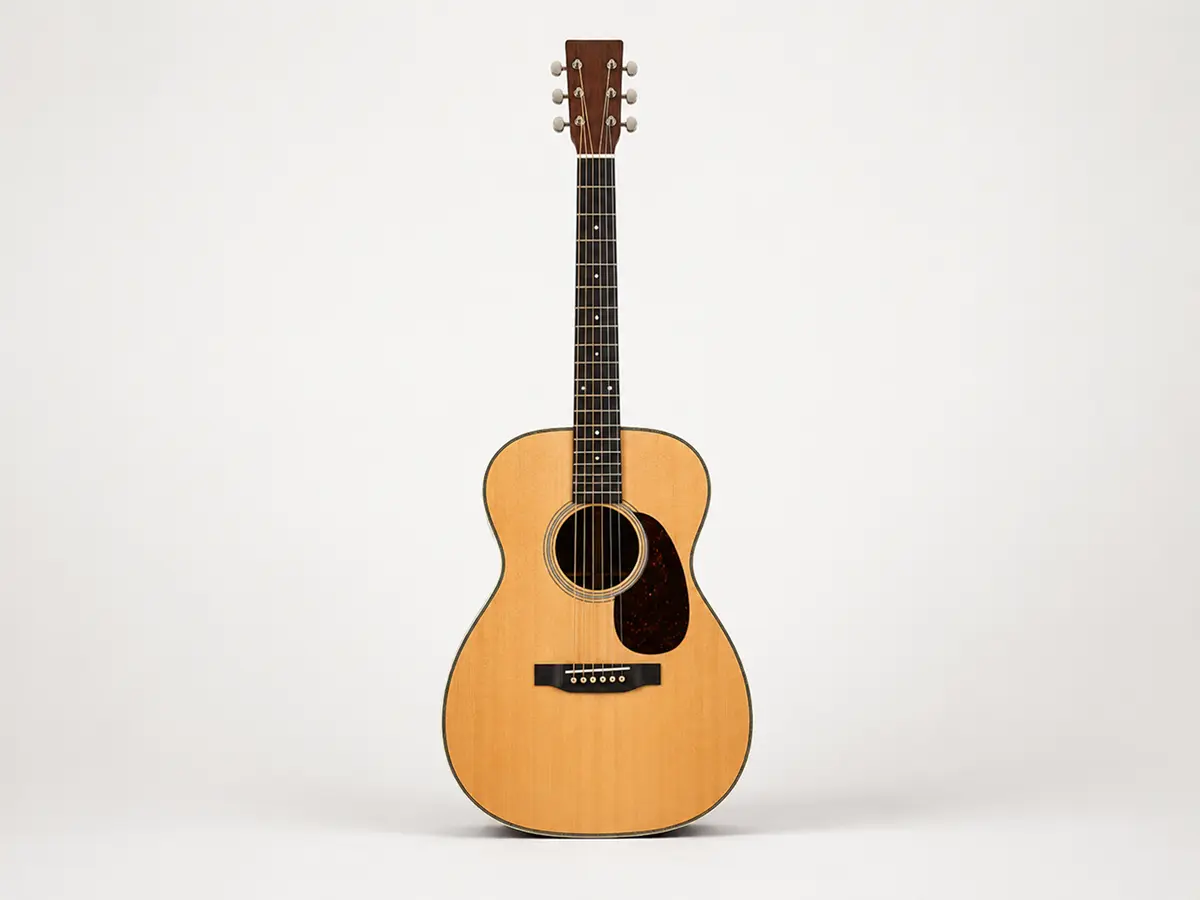 Orchestra Model (OM)
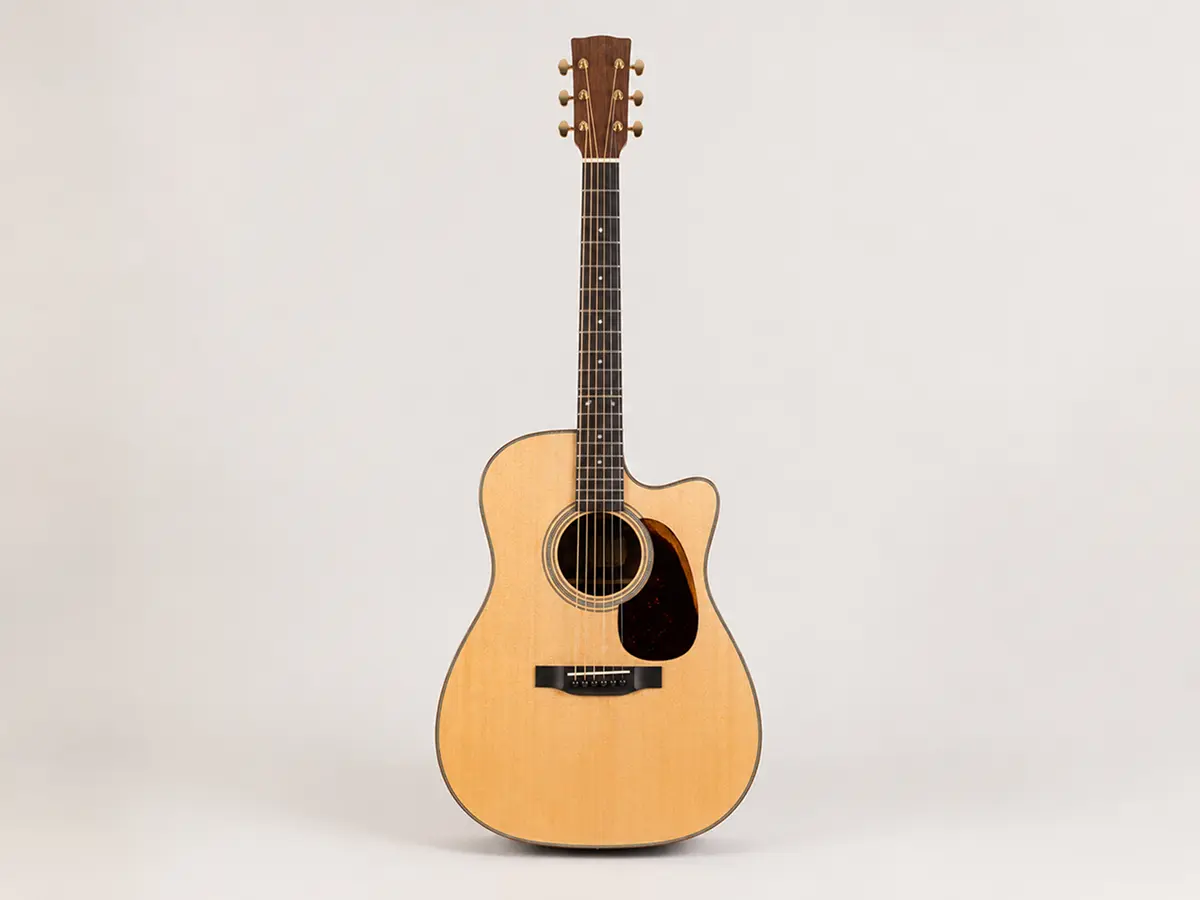 Cutaway
The point of understanding these distinctions isn't to memorize specs. It's that knowing them turns an intimidating wall of guitars into a few clear questions about how you actually play.
Why I Reach for a Mahogany OM Over My Vintage Dreadnought
Here's where the research met reality. I own a vintage Yamaha dreadnought I bought from a Japanese expo store, and on paper it's the more impressive instrument — bigger sound, more history, more bragging rights.
And yet the guitar I reach for every single day is a modest mahogany OM.
The dreadnought is wonderful, but it's a lot of guitar. The OM sits more naturally against my body, its balanced voice fits the way I play, and that warm mahogany midrange simply feels like me. That's the single most important lesson in how to choose an acoustic guitar: the "best" guitar on paper is not the same as the guitar you'll actually pick up. Comfort and feel beat bragging rights every time. Buy the one your hands keep reaching for, not the one that looks most impressive in the case.
The Best Strings for Playability: A Cheap Beginner Hack
This is the tip I'd give my younger self in a heartbeat.
When I was young and couldn't afford a good guitar, I badly wanted my progress to speed up. The obvious move would have been to buy an electric, since electrics are generally easier to fret and play. But I couldn't afford that either.
So I improvised. I took the acoustic strings off my cheap guitar and replaced them with the lowest-gauge electric strings I could find. The tone was a compromise — noticeably thinner than acoustic strings are meant to sound — but I could live with it, because the playability improved dramatically. Lighter gauge means lower string tension, which means easier bends, faster fretting, and far less hand fatigue. My progress sped up exactly the way I'd hoped.
To be clear, this isn't the "correct" way to string an acoustic. Purists will wince, the tone suffers, and very light strings can affect intonation or feel floppy on some guitars. But for a broke beginner who needed playability more than perfect tone, it was a genuine breakthrough. Sometimes the smartest gear decision isn't buying more — it's working around what you can't yet afford. If you're struggling with sore fingers and slow progress, switching to a lighter string gauge (the proper way, with acoustic strings) is one of the cheapest, most effective upgrades you can make.
Cheapest playability upgrade
Light or extra-light acoustic strings
Lower-tension acoustic strings make fretting and bending dramatically easier while you build calluses — and they cost a fraction of a new guitar. This is the upgrade I would buy first.
A Quick Checklist Before You Buy
Run through this in the store, especially if you're new:
- 1Is the wood solid or laminate? (Check the soundhole edge yourself.)
- 2How does the action feel? High action makes a guitar harder to play.
- 3Does the body shape suit you — comfortable to hold, balanced for your style?
- 4Does it stay in tune after you play a few chords hard?
- 5Are there any cracks, lifting bridges, or buzzing frets?
- 6Does the price match what the guitar actually is — not just what the tag claims?
- 7Most importantly: do you genuinely enjoy holding and playing it?
How to Choose an Acoustic Guitar: Key Takeaways
- Confirm whether the wood is solid or laminate, and learn to spot the difference inside the soundhole.
- Treat "premium" plus "cheap" as a red flag, not a blessing.
- Research tonewood and body shape — mahogany vs rosewood, OM vs dreadnought, cutaway vs non-cutaway — before you shop.
- The best acoustic guitar is the one you actually reach for, not the one that looks best on paper.
- Playability can be improved cheaply. The right strings can beat an expensive guitar you can't comfortably play.
Getting scammed twice was a painfully expensive way to learn all this. Hopefully reading it here means you skip the tuition entirely.
Frequently Asked Questions
Is a laminate acoustic guitar bad for beginners?
Not at all. Laminate guitars are often more affordable and more resistant to humidity changes, which makes them practical first instruments. Just don't pay solid-wood prices for one, and know that laminate won't develop richer tone with age the way solid wood does.
Is an OM or a dreadnought better for beginners?
Neither is universally better. Dreadnoughts are louder and great for strumming, while OMs are smaller, more comfortable, and friendlier for fingerpicking and smaller players. If you can, play both and choose the one that feels right in your hands.
Do I need a cutaway on my first acoustic guitar?
Probably not. Cutaways help you reach the upper frets, which mostly matters for lead playing. Most beginners spend their time on the lower frets, so a non-cutaway is perfectly fine — and sometimes a touch fuller-sounding.
What's the easiest string gauge for beginners?
Lighter gauges (extra light or light) have lower tension, making them easier on your fingers and easier to fret and bend. They're a great choice while you build calluses and hand strength. Stick to proper acoustic strings rather than swapping in electric ones unless you understand the trade-offs.
Which tonewood is best for an acoustic guitar?
There's no single best tonewood. Mahogany offers warm, punchy mids; rosewood (a classic back-and-sides wood) is rich and complex with deep lows and sparkling highs; spruce and cedar are popular top woods, bright and responsive. The "best" one depends on your playing style and the sound you're chasing.
Got your own guitar-shopping story or a budget hack that changed your playing? We collect these over at GuitarToolHub — explore the free tools below and keep building.
All Guitar Tools
Free tools for every stage of your guitar journey.